


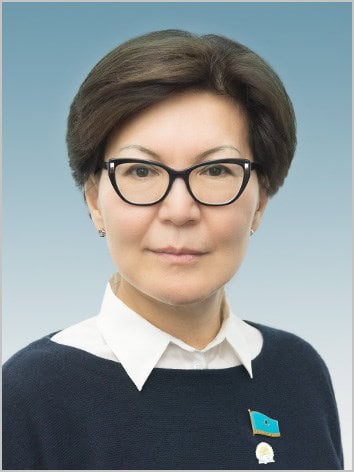
By Aigul Kuspan
On April 15, President Kassym-Jomart Tokayev of Kazakhstan signed a law on Ensuring Women’s Rights and Children’s Safety, amending penalties for violence against women and children. This is a victory for human dignity in the region and a monumental advance in human rights. Kazakhstan has positioned itself as a regional leader, not only in promoting a safer, more equitable society for all citizens but also in fighting against all forms of discrimination. This is not mere rhetoric but a substantial legal and punitive development, marking genuine change from within.
At its most basic level, Kazakhstan’s lawmakers have tirelessly sought ways to make victims of gender-based and domestic violence feel safe, believed, and protected. As a state official, I commend and stand in awe of this effort and Kazakhstan’s commitment to listening to and protecting its survivors.
The law addresses a spectrum of new issues, including domestic violence, sexual violence, bullying, and harassment, applying criminal liability to any intentional infliction of harm on another person.
The significance of this development for Kazakhstan cannot be overstated; it is a milestone for the country and its government. Henceforward, the government will push a holistic campaign aimed at challenging societal norms that perpetuate domestic violence against women and children and promoting gender equality, respectful relationships, and zero tolerance for violence within the family.
The law not only safeguards the rights and safety of women and children, but it also radically updates the way we treat offenders. By criminalizing domestic violence and signifying a firm commitment to combatting cruelty in all its forms, it takes a crucial step toward ensuring accountability for offenders.
Its approach is multifaceted. It relies on a cultural promotion of respect for women’s rights and human dignity, and in one fell swoop, gives a voice to victims of violence who have a newfound right to seek legal protection and support for their woes.
This law reflects the commitment of Kazakhstan and its government, reinforcing that Kazakhstan currently has the lowest levels of bias in the region, as indicated by the UNDP Gender Social Norms Index. The World Economic Forum’s Global Gender Gap Report 2023 highlighted significant progress in women’s empowerment in Kazakhstan, with the country jumping 18 positions to 62nd place globally in the last year. This progress was particularly notable in eliminating gender gaps in education levels and increasing political and economic participation. It also signals President Tokayev’s strong support for these developments through the initiation of the Central Asian Regional Knowledge Platform for sharing expertise in gender empowerment, violence prevention, and response.
International responses have been overwhelmingly positive, praising Kazakhstan’s democratic values and the leadership’s cultural sensitivity. The United States stated, “We welcome Kazakhstan’s adoption of new laws strengthening protections against domestic violence. The prevalence of domestic violence leaves no country, society, or socioeconomic group unscathed. We stand with Kazakh society in saying: domestic violence is a criminal act.”
Peter Stano, Lead Spokesperson for foreign affairs and security policy, has likewise praised the legislature. UNDP Kazakhstan commended the legislative initiatives protecting women’s and children’s rights, calling them “a crucial step toward equality, justice, and safety for all citizens.” These changes, it says, enhance protection for vulnerable groups and lay a critical foundation for a stable, prosperous society.
The Council of Europe, meanwhile, encouraged Kazakhstan to adhere to the principles of inclusivity and equality for all, “which correlate with the values of the Council of Europe.”
This reform operates on at least three levels: legal, political, and cultural. While punitive measures are an essential component of the law, they are complemented by a range of cultural reforms, including inclusivity and gender equality, as well as vibrant democratic politics. In practical terms, greater cultural respect and sensitivity toward women and children will serve as a preventative measure down the line.
The law reflects our commitment to upholding democratic values, promoting gender equality, and strengthening family structures. By addressing the root causes of violence and providing comprehensive support to affected individuals, governmental agencies will help strengthen the very fabric of our nation from within.
Aigul Kuspan is a member of Kazakhstan’s Parliament.

